7 Debug Moves I Used to Rescue a Broken Landed Cost API in One Week
I hit 422 errors, 401 token failures, and cost drift in production. This is my first-person debug workflow to recover quote reliability fast.
3 SEO headline options
- 17 Debug Moves I Used to Rescue a Broken Landed Cost API in One Week
- 25 Costly API Errors That Quietly Break Landed Cost Quotes
- 39 Practical Fixes I Used to Cut Quote API Failures from 18% to 2%

Quotes stopped at 6:40 PM. Sales had three customers waiting. Our landed cost API kept failing, and every minute burned trust and margin.
I thought it was the carrier. I was wrong. Most of the problem was in our own request pipeline.
The First Error That Looked Small
POST /api/v1/landed-cost/quote
{
  "shipmentId": "SO-260311-17",
  "incoterm": "DDP ",
  "freightClass": "92.5",
  "containerType": "40HQ",
  "currency": "USD"
}
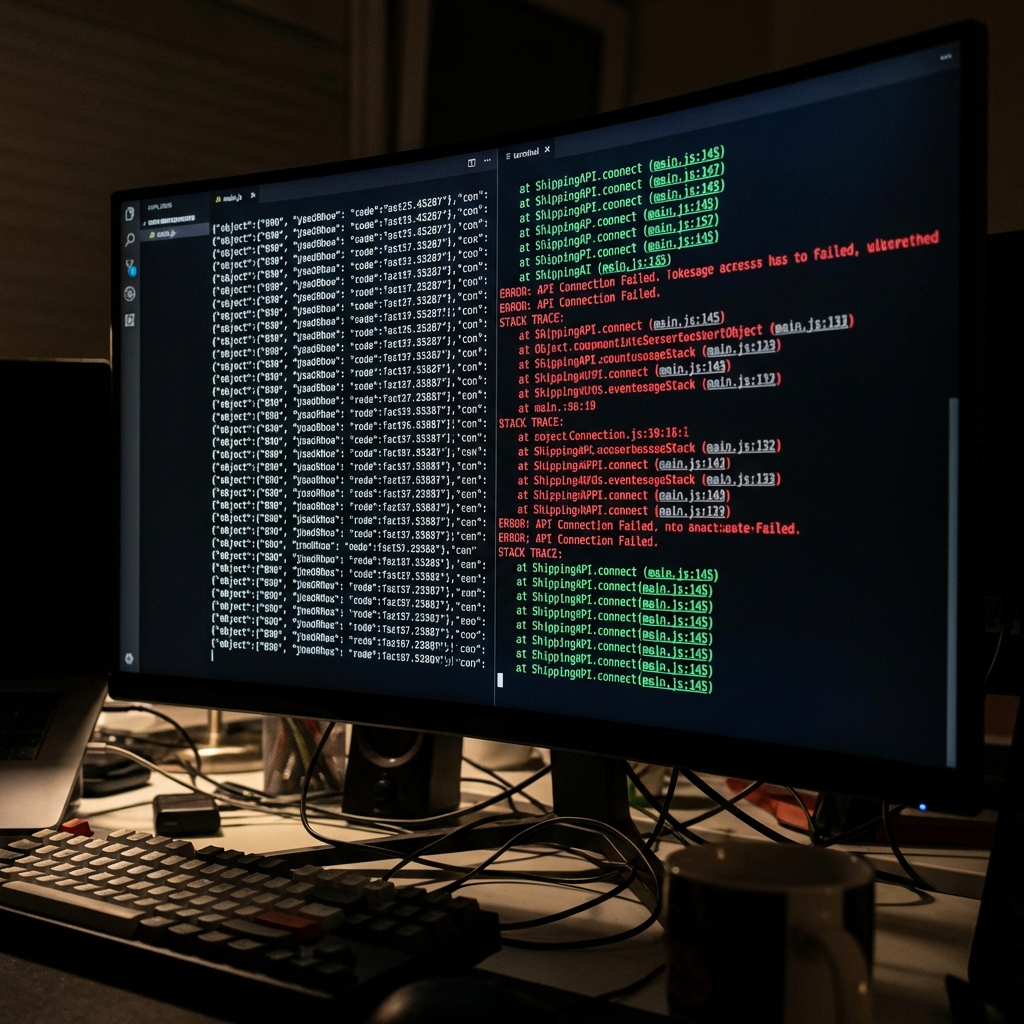
HTTP/1.1 422 Unprocessable Entity
{
  "code": "INVALID_INCOTERM",
  "message": "incoterm must be one of FOB,CIF,DDP"
}
That trailing space in DDP cost us hours.
The logs looked normal at first glance.
Hex view exposed it immediately.
Why This Incident Hurt So Fast
When quote APIs break, ops cannot book with confidence and finance cannot trust projected margin. I now validate assumptions in Landed Cost Estimator, cross-check surcharge movement in Fuel Surcharge Calculator, and sanity-check load shape in Container Load Simulator before I escalate.
That order matters. It separates data quality issues from transport issues.
3 Lessons I Learned the Hard Way
Experience 1: I blamed schema, but it was invisible whitespace.
Our payload passed local tests and failed in staging. The issue was a copy-pasted value with trailing space. I now trim and normalize all enum fields at ingestion.
Experience 2: I blamed auth, but it was refresh timing.
We got clean traffic most of the day, then 401 TOKEN_EXPIRED during evening batch quotes.
Our refresh window was too optimistic for real vendor behavior.
We moved refresh earlier and added jitter to avoid token stampedes.
Experience 3: I blamed pricing logic, but units were mixed.
Part of the flow sent weight as kg; another part assumed lb.
No exception was thrown.
Final quotes drifted by almost 12%.
One Real Story I Trust
A furniture importer asked me why the same order quoted differently across two days. Request payload looked identical. Carrier endpoint looked healthy.
The real cause was surcharge version drift. Quote logic used one version, reconciliation used another. After we pinned version timestamps in both paths, variance dropped in the next cycle.
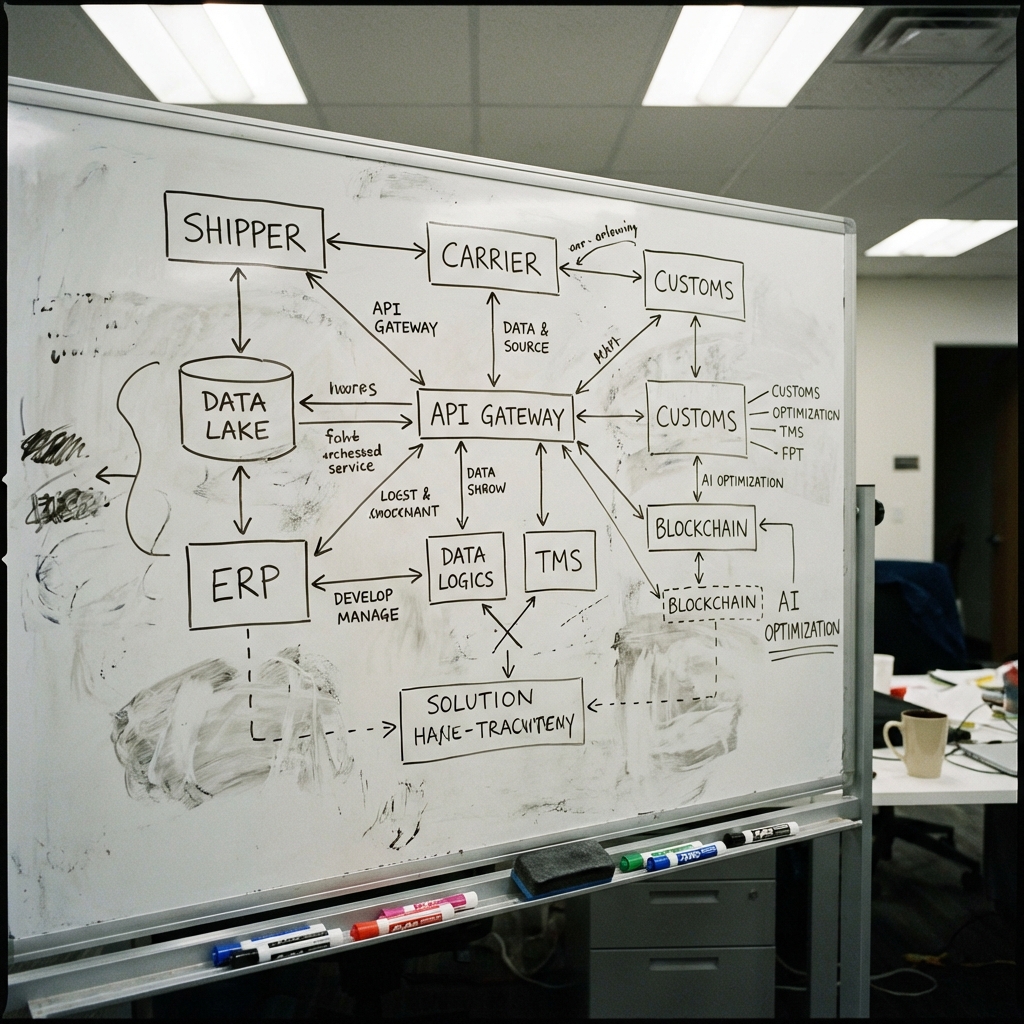
My Error-to-Fix Table
| Error code | What it usually means | How I verify | Fix I apply |
|---|---|---|---|
INVALID_INCOTERM | Trailing space or enum case mismatch | Compare raw payload bytes | trim() and uppercase enums before send |
TOKEN_EXPIRED | Refresh window too short | Log issued-at, expires-at, request time | Refresh earlier with jitter |
CLASS_FORMAT_ERROR | 92.5 vs 925 mapping mismatch | Compare against carrier enum dictionary | Add a dedicated class mapper |
RATE_TOO_HIGH | Weight or dimension UOM mismatch | Trace UOM at each service boundary | Normalize units at ingestion |
SURCHARGE_MISMATCH | Stale surcharge model or cache | Compare version and effective date | Shorter TTL plus strict version pinning |
Pro Tip:
Keep one production-grade "golden payload" per carrier and replay it after every integration change.
Pro Tip:
Log business context, not only JSON. "40HQ, DDP, residential delivery" speeds up root-cause analysis.
The 7-Step Debug Loop I Run Now
- Replay one historical success case.
- Diff current payload against the replay baseline.
- Trace token lifecycle and refresh timing.
- Validate freight class mapping and enum normalization.
- Verify surcharge model version and effective date.
- Rebuild full landed cost in the same landed-cost workflow.
- Escalate to carrier only after attaching request IDs and evidence.
This loop is boring. That is why it works.
My View: API Health Is Not Quote Health
A 200 OK response does not mean your quote is safe.
It only means a call succeeded.
I trust quotes only after three checks pass:
Landed cost review for total-cost integrity,
fuel surcharge review for volatility risk,
and load simulation for physical feasibility.
That workflow gave my team confidence back in one week.
Ready to optimize?
Run a landed cost sanity check before sending your next quoteIf you are seeing "no error but wrong quote" behavior, share your error pattern in the comments. I can suggest where to start debugging first.
Meta description
I fixed a landed cost API by tracing 422 payload errors, 401 token expiry, and quote drift, then adding checks that keep quotes dependable.