8 Smart Checks U.S. Importers Should Run Before Trusting Lower Ocean Rates in March 2026
Spot rates eased, selected Suez services resumed, and import demand softened. Here is how importers can re-quote landed cost without false confidence.
3 SEO headline options
- 18 Smart Checks U.S. Importers Should Run Before Trusting Lower Ocean Rates in March 2026
- 26 Margin Leaks Hiding Behind Softer Ocean Freight Prices This Month
- 39 Fast Fixes for Import Teams Repricing Landed Cost in 2026
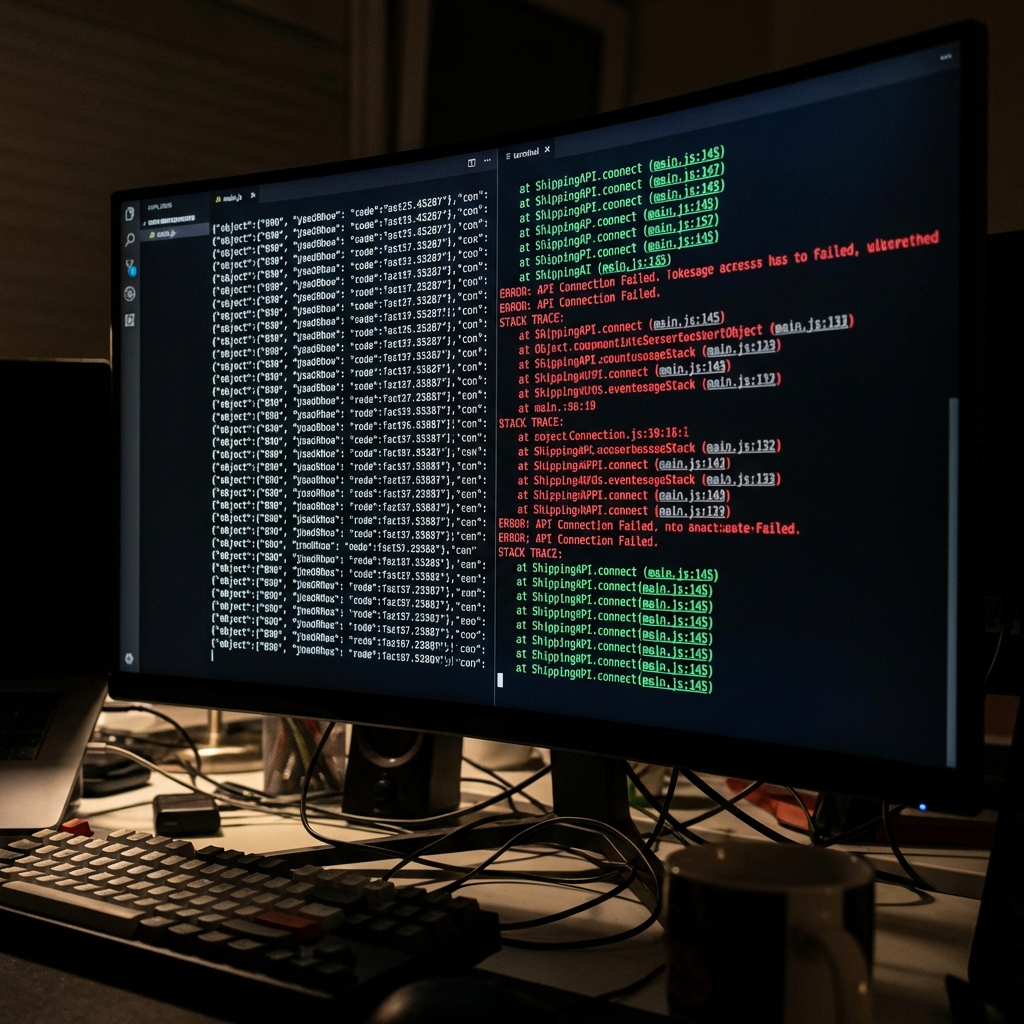
The headline rate got cheaper. Your total landed cost probably did not.
That gap is where import teams lose money. They see softer ocean prices, assume the pressure is gone, and quote too early. Then routing, accessorials, cube waste, or timing risk quietly take the savings back.
Why This Matters Right Now
This is not a theory problem. It is a March 2026 planning problem.
As of February 10, 2026, Freightos showed Asia-US West Coast rates down 21% to $1,916/FEU and Asia-US East Coast rates down 10% to $3,457/FEU.
On March 1, 2026, Maersk said its ME11 and MECL strings would route around the Cape of Good Hope and that vessel crossings through the Strait of Hormuz would stay suspended until further notice. That keeps routing risk alive. It does not let import teams assume a normal network.
On January 26, 2026, Sea-Intelligence still put global schedule reliability at 62.8% with average delay of 5.04 days.
Base rates may ease. Network reliability still has not fully recovered.
That combination is dangerous because it makes teams overconfident at exactly the wrong moment.
What I Learned in the Field
Experience 1: A lower rate is not the same as a lower quote.
I helped a buyer reprice a shipment after seeing a softer lane update. The ocean line looked better. The final margin did not, because drayage, duty timing, and handling assumptions were still stale.
Experience 2: One carton decision can ruin the rate win.
I have seen teams celebrate better freight pricing while loading an extra half-container of empty air. When we checked the order in the Container Load Simulator, the "savings" disappeared fast.
Experience 3: Transit optimism causes cash-flow pain.
One team planned inventory receipts from a single best-case arrival date. When the sailing drifted, they paid for expediting and still missed part of the launch window. Now I treat timing assumptions as cost assumptions too.
One Credible Story That Explains the Risk
Earlier in the Red Sea disruption cycle, manufacturers such as Tesla had to adjust production timing because components did not arrive on the original schedule. That example stuck with me because it proves a bigger point: freight volatility is never just a transport problem.
For importers, the same pattern shows up in smaller but constant ways. A delayed arrival shifts duty payment timing, warehouse labor planning, and customer promise dates all at once.
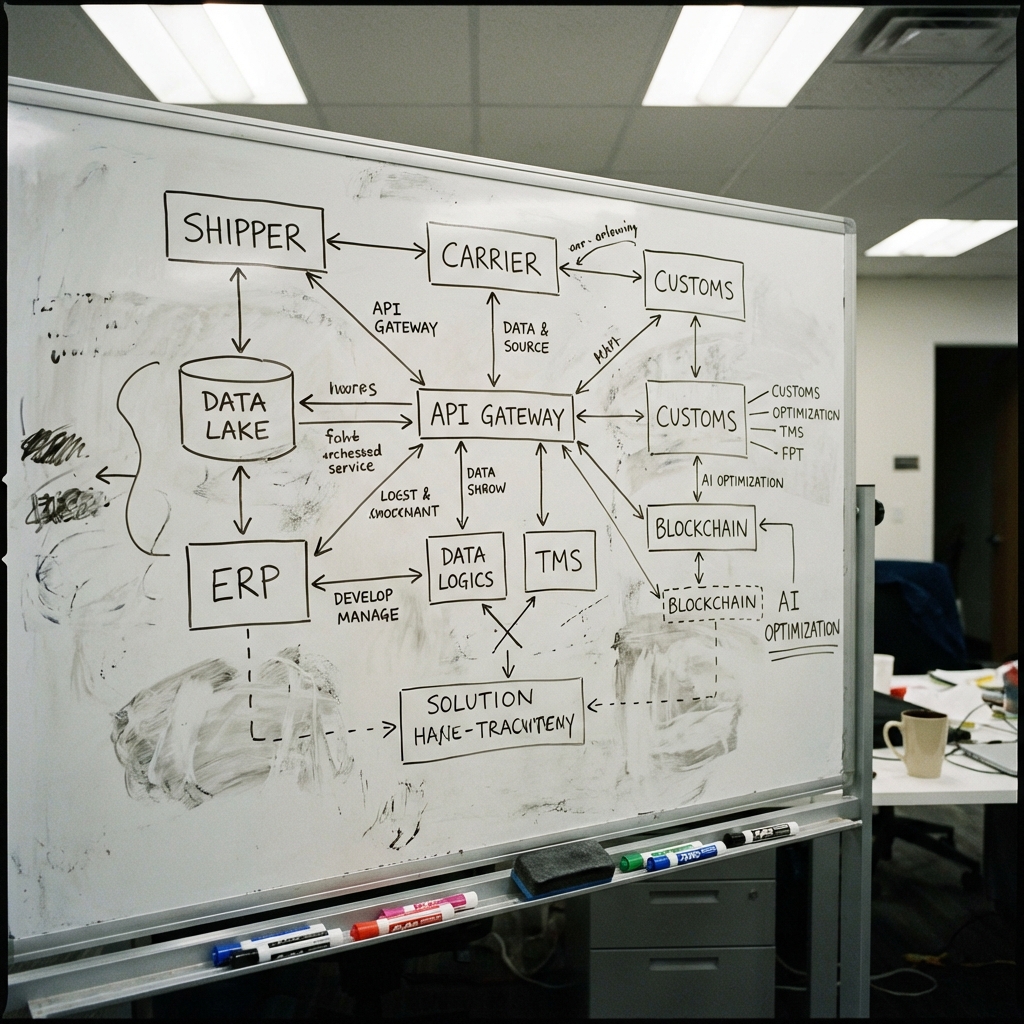
The 8 Checks Worth Running Before You Re-Quote
| Check | What changed in the market | Risk if you skip it | Best tool or action |
|---|---|---|---|
| 1. Lane cost refresh | Spot rates moved lower | You quote from an outdated freight baseline | Rebuild the quote before release |
| 2. Transit scenario review | Some Suez service resumed | You assume every lane normalizes equally | Keep best, likely, and worst ETA assumptions |
| 3. Cube verification | Lower rates make teams less disciplined | You book more space than expected | Test the order before committing capacity |
| 4. Fuel and accessorial check | Linehaul headlines distract from extras | Savings vanish after booking | Recheck every variable charge before approval |
| 5. Duty timing review | Arrival timing shifts cash needs | Margin looks fine but cash flow tightens | Recheck payable timing with finance |
| 6. Quote-expiry rule | Market direction feels calmer | Sales keeps stale freight in live quotes | Add a quote refresh window |
| 7. SKU priority filter | Demand is softer and budgets tighter | Teams waste time updating low-impact items | Refresh the top freight-spend SKUs first |
| 8. Packaging sanity check | Cost focus moves away from layout | You ship air and miss the real savings | Compare carton options before booking |
Pro Tip:
When market conditions improve, that is when teams are most likely to get lazy. Use better headlines as a trigger to verify more, not less.
Pro Tip:
Never approve a "cheaper" quote until you test whether the shipment still works under a five-day delay scenario.
The Workflow I Recommend This Month
Start with the lane. Then move to the container. Then confirm the full margin.
That means:
- Refresh landed cost.
- Recheck container fit.
- Add surcharges.
- Stress-test the ETA.
- Only then release the quote.
It is not slow. It is cheaper than fixing a bad promise later.
Why the Website Hook Feels Like the Best Answer
This website works because it solves the problem in the order importers actually feel it.
The Landed Cost Estimator updates the real quote. The container-load workflow catches cube waste before booking. The Fuel Surcharge Calculator closes the gap between rate headlines and invoice reality.
That is the practical stack for March 2026. Not theory. Not wishful pricing.

Source Notes
- Freightos Weekly Update, February 10, 2026
- Maersk Red Sea / Gulf of Aden Situation, March 1, 2026
- Sea-Intelligence Schedule Reliability, January 26, 2026
Ready to optimize?
Re-Quote Your Next Shipment With Live Landed Cost LogicIf your team is deciding whether lower market rates are truly enough to protect margin, run one live order through the workflow above. The answer becomes obvious very quickly.
Meta description
Lower ocean rates can still hide margin leaks. Use 8 March 2026 checks to test surcharges, cube, timing, and real landed cost risk today.