6 Steps to Master Freight Class Without Guessing on Pickup Day
A plain-English guide to NMFC class, density, and shipment prep so your team can stop guessing before the truck arrives.
3 SEO headline options
- 16 Steps to Master Freight Class Without Guessing on Pickup Day
- 28 Freight Class Checks Every New Ops Team Should Learn First
- 35 Simple Freight Class Rules That Prevent Expensive Reclass Surprises
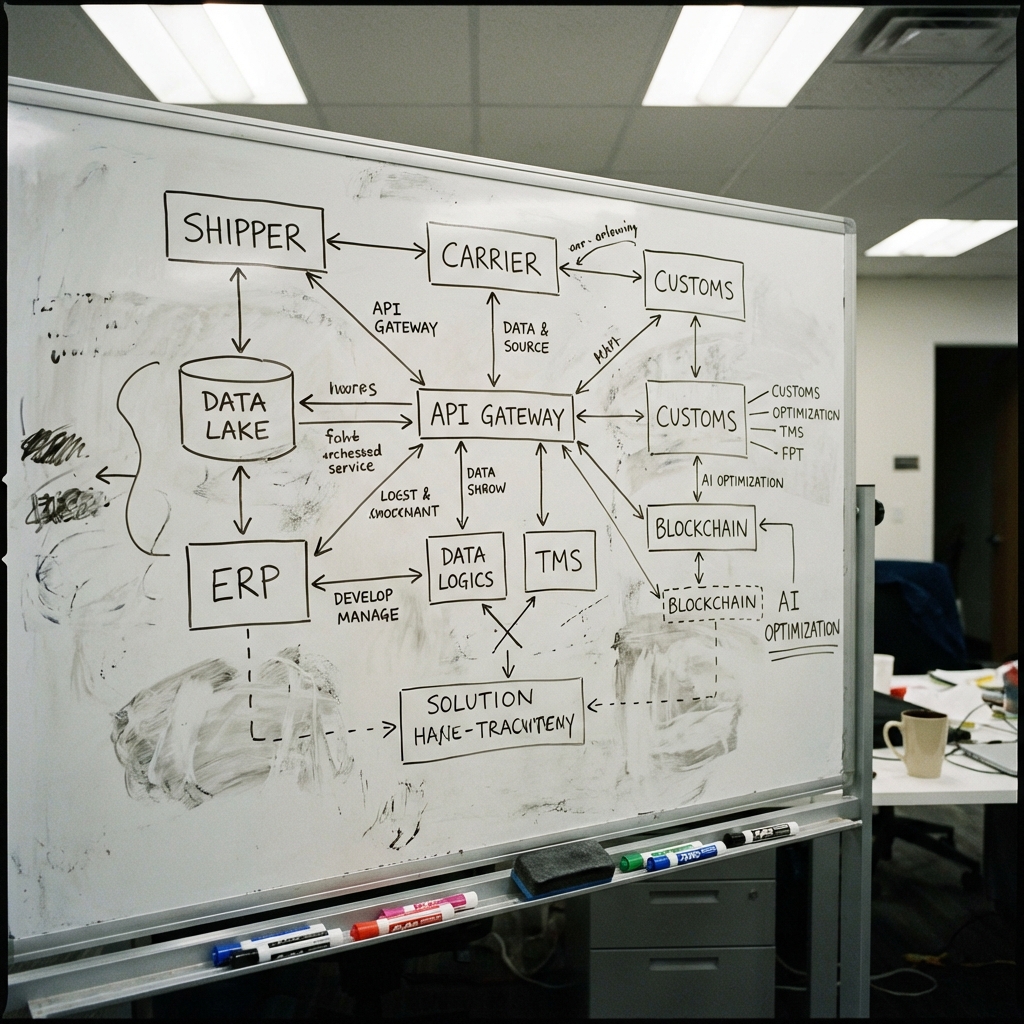
Freight class feels confusing until a carrier invoice proves it matters.
Most teams do not lose money because they never heard of NMFC. They lose money because they rush the class decision at the very end. That is where expensive guessing starts.
Start With the Right Mental Model
Freight class is a pricing shortcut. Carriers use it to estimate how difficult your shipment is to handle and how much space it consumes.
Density matters. So do stowability, handling, and liability. But in day-to-day operations, density is where most preventable mistakes begin.
That is why I teach new coordinators to confirm density first with the Freight Class Density Calculator, then worry about everything else.
What I Learned in the Field
Experience 1: A new coordinator guessed from memory.
I once watched a smart new team member label upholstered freight as Class 70 because that was what a similar shipment used last month. The product was different. The packaging was bulkier. The rate error showed up only after pickup.
Experience 2: Product specs rarely match shipped reality.
A manufacturer data sheet may list neat carton dimensions. It usually does not describe pallet overhang, dunnage, or the final wrapped height. That gap is where class mistakes hide.
Experience 3: Printing the logic reduced arguments.
On repeat lanes, we started recording density notes with the shipment file and adding class support to the paperwork. Carrier disputes became shorter because our documentation became stronger.
A Practical Story I Still Use in Onboarding
During one onboarding week, a team member measured an office chair shipment as if every carton sat flat and tight. In reality, the mixed accessories created dead space and pushed the pallet height up.
We rebuilt the shipment in the Pallet Optimizer, corrected the density, and updated the class before the truck arrived. The important lesson was not the exact class number. It was the habit of verifying the shipment as packed, not as planned.

The 6-Step Workflow I Trust
| Step | What to verify | Common mistake | Better move |
|---|---|---|---|
| 1. Confirm commodity | Product type and packaging | Reusing last month's class | Start from current shipment facts |
| 2. Measure final dimensions | Loaded pallet length, width, and height | Ignoring wrap, corner boards, or overhang | Measure the freight exactly as tendered |
| 3. Confirm weight | Actual packed weight | Using item master weight only | Weigh after final packing |
| 4. Calculate density | Pounds per cubic foot | Doing rushed manual math | Use a repeatable density check |
| 5. Stress-test packaging | Cube efficiency and stack pattern | Accepting wasted air | Test the load before pickup |
| 6. Review total impact | Freight plus duties and other charges | Looking only at the linehaul quote | Recheck margin before release |
Pro Tip:
If the shipment changed after the quote, assume the class may have changed too. New packaging can undo old pricing assumptions.
Pro Tip:
Keep one internal cheat sheet of your most common commodities, but never let it replace measurement on the actual day of shipment.
What New Ops Teams Should Do Every Time
- Measure after packing is complete.
- Save photos when a shipment is near a breakpoint.
- Record weight and dimensions in one shared place.
- Re-check class whenever packaging changes.
- Teach sales that "same product" does not always mean "same freight."
- Review landed cost before the customer sees the final quote.
That routine is simple enough to train. It is strong enough to protect margin.
Why the Website Feature Fits This Problem Best
Freight class problems usually begin with scattered information. One number lives in the ERP. Another sits in a warehouse notebook. The quote goes out before the shipment is fully verified.
The website tools close that gap. Use a density check to confirm class logic. Use a pallet optimization review to reduce wasted cube. Use the Landed Cost Estimator to see what the class decision means for total margin.
That is how you replace guessing with a process.

Ready to optimize?
Run the Freight Class Check Before Pickup DayIf your team is training new coordinators, make this workflow the standard. It is cheaper to learn it once than to relearn it on every invoice.
Meta description
Master freight class with a six-step workflow that cuts re-weighs, reclasses, and avoidable LTL cost surprises before pickup day hits.