8 Debug Moves I Use to Fix Landed Cost Drift Before Month-End Close
My first-person playbook for catching quote-to-invoice drift before finance closes the month, with real error logs, hard lessons, and repeatable checks.
3 SEO headline options
- 18 Debug Moves I Use to Fix Landed Cost Drift Before Month-End Close
- 25 Errors That Quietly Inflate Import Costs Right Before Finance Close
- 39 Fast Checks to Stop Landed Cost Mismatches Before They Hit Margin
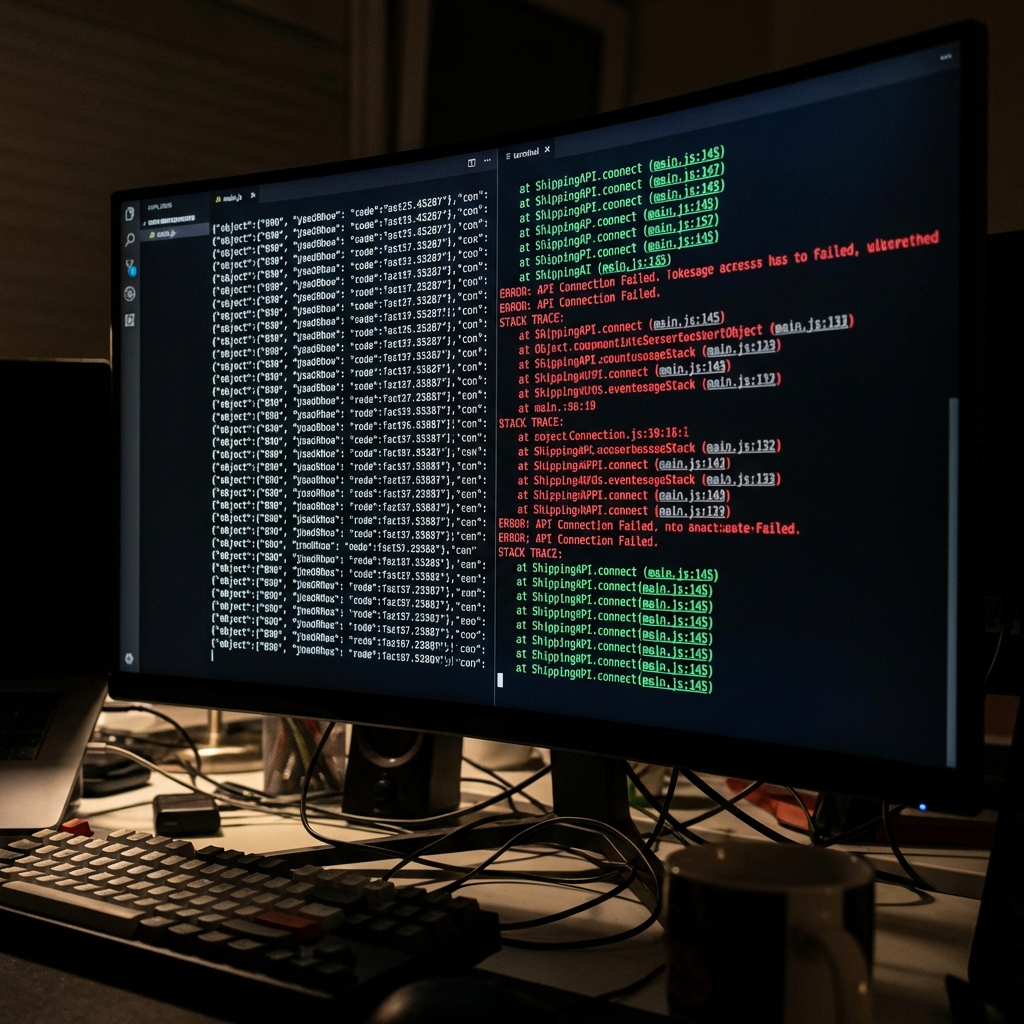
Month-end is where bad freight assumptions get exposed.
I have watched a "healthy" margin collapse in one afternoon because the quote looked fine, but the landed cost model was stale. If you wait until finance closes the period, you are already late.
The Error Pattern I Keep Seeing
POST /api/v2/costing/reconcile
{
  "quoteId": "Q-260310-224",
  "currency": "USD",
  "fuelSurchargeVersion": "2026-03-01",
  "weightUom": "kg",
  "lineItems": 14
}
HTTP/1.1 409 Conflict
{
  "code": "SURCHARGE_VERSION_MISMATCH",
  "message": "Expected 2026-03-08 but got 2026-03-01"
}
That one message can explain a lot. When versions drift, your quote and invoice can disagree even if both systems "work."
Why This Hurts Teams Fast
One mismatch is never just one mismatch. It creates rework for ops, escalations for finance, and trust issues for sales.
Before I call it an API problem, I cross-check the shipment logic in Landed Cost Estimator, validate variability in Fuel Surcharge Calculator, and test packing assumptions in Container Load Simulator. That sequence catches most "mystery" variance.
3 Lessons I Learned the Hard Way
Experience 1: I blamed pricing, but the unit conversion was wrong.
A shipment was entered in pounds in one system and kilograms in another. No exception was thrown. The final cost was still materially wrong.
Experience 2: I trusted a cache that should never have been trusted.
Our surcharge cache was set to a long TTL because "it rarely changes." Then it changed mid-week, and the margin drift started immediately.
Experience 3: I assumed one route profile was enough.
I used one transit assumption for two lanes with different congestion behavior. That mistake looked small in planning and expensive in execution.
One Real Story I Still Share With New Analysts
A mid-sized importer asked me why monthly gross margin kept missing plan by a narrow range. Their quote logic was technically valid. Their reconciliation logic was technically valid too.
The drift lived between those two steps. We aligned surcharge versioning, re-ran historical shipments, and then rebuilt controls around version timestamps. Within one cycle, their cost variance alerts dropped from daily noise to actionable exceptions.
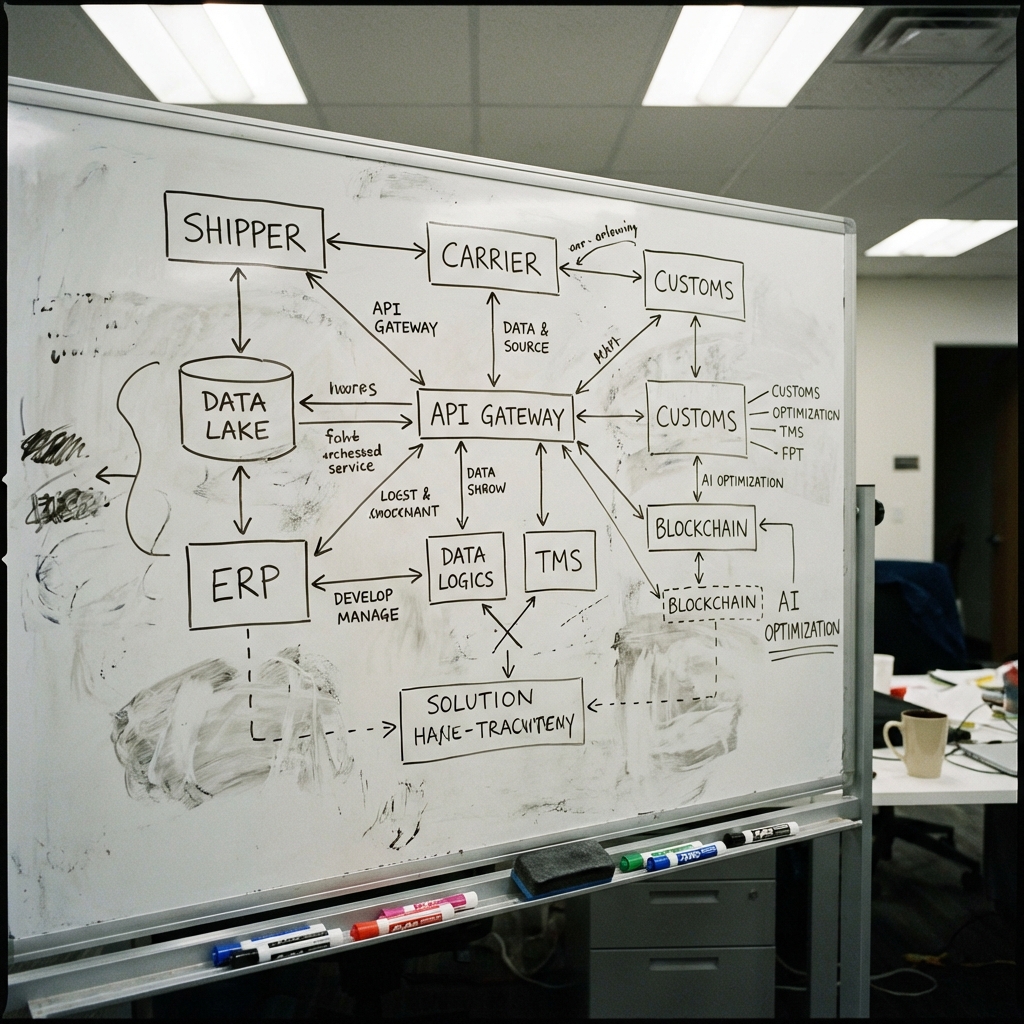
My Month-End Debug Table
| Signal | What it usually means | How I verify it | What I change |
|---|---|---|---|
SURCHARGE_VERSION_MISMATCH | Quote and billing models are out of sync | Compare model version + effective date | Add strict version pinning in reconciliation |
RATE_DELTA_OVER_THRESHOLD | Baseline freight input is stale | Recalculate lane cost with latest assumptions | Refresh lane-level baselines weekly |
| No error, but margin drift | Silent unit or mapping inconsistency | Trace weight and dimension UOM end to end | Normalize UOM at ingestion |
| Frequent manual overrides | Upstream logic is too brittle | Audit override reasons by category | Fix top 2 root causes, not all at once |
| ETA-based variance spikes | Transit assumptions are unrealistic | Stress-test best/likely/worst ETA | Use scenario-based landed cost review |
Pro Tip:
If the API returns200but finance says costs are wrong, treat that as a logic incident, not a data incident.
Pro Tip:
Keep one "reconciliation golden case" with known-good numbers and replay it after every rule change.
The 8 Moves I Actually Run Before Close
- Reconcile surcharge version timestamps.
- Revalidate freight and fuel assumptions by lane.
- Check unit consistency at each integration boundary.
- Re-run one golden shipment from quote to invoice.
- Audit manual overrides from the last 7 days.
- Recalculate top spend SKUs in the landed-cost workflow.
- Review packing efficiency in the container-load workflow.
- Publish one short exception report for ops and finance.
It is not glamorous. It is reliable.
My View: Margin Protection Is a Debug Discipline
Most teams treat landed cost drift as a finance reporting issue. I treat it as an engineering quality issue with financial impact.
When quote logic, surcharge logic, and load assumptions are checked in one workflow, surprises drop.
That is why I keep this stack tight:
Landed cost review for total cost truth,
fuel surcharge review for volatility,
and load simulation for physical reality.

Ready to optimize?
Run a landed cost sanity check before your next month-end closeIf you are seeing unexplained margin variance, drop your error code pattern in the comments. I can suggest which layer to debug first.
Meta description
Fix landed cost drift before close by tracing version errors, normalizing units, replaying golden cases, and rechecking live quotes weekly.