7 Proven Moves to Protect Margin During Ocean Freight Volatility in 2026
A practical, data-backed playbook for importers who need to protect landed cost and lead-time confidence while ocean rates and routing keep shifting in 2026.
3 SEO headline options
- 17 Proven Moves to Protect Margin During Ocean Freight Volatility in 2026
- 29 Cost Leaks Importers Miss When Container Rates Swing and Transit Times Shift
- 35 Data-Backed Steps to Lock Landed Cost Before Ocean Rates Change Again
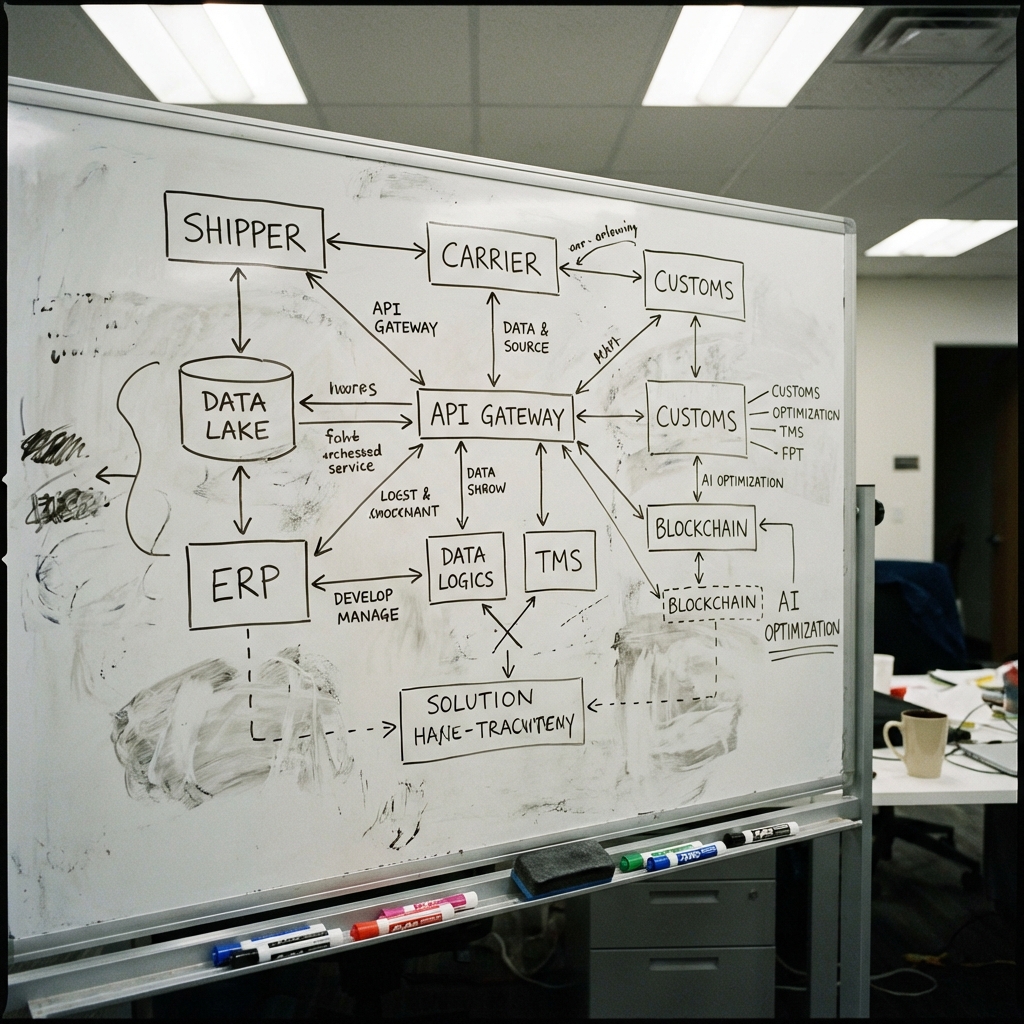
Your quote looked fine on Monday. By Friday, the spot rate moved, the routing changed, and the ETA no longer matched the promise you gave sales.
That is how margin disappears in ocean freight. Not in one dramatic event. In a string of small assumptions that stopped being true.
Why This Matters Right Now
The signal is mixed, and that is exactly why importers get trapped.
As of February 10, 2026, Freightos showed Asia-US West Coast rates down 21% to $1,916/FEU and Asia-US East Coast rates down 10% to $3,457/FEU.
On March 1, 2026, Maersk said its ME11 and MECL strings would route around the Cape of Good Hope and that Hormuz crossings would remain suspended until further notice. That changes some shipment decisions immediately. It does not normalize the network overnight.
On January 26, 2026, Sea-Intelligence reported global schedule reliability at 62.8%, with average delay still above 5 days.
Even when rates soften, unstable routing can still sit underneath the quote.
That is why cheaper headline rates do not automatically create safer quotes.
What I Learned in the Field
Experience 1: One blended freight number is too lazy for 2026.
I worked with a home goods importer that priced multiple lanes with one average ocean cost. The spreadsheet looked clean. The margin swing was hidden until orders were already booked.
We moved to lane-level assumptions in the Landed Cost Estimator and stopped losing time to emergency repricing.
Experience 2: A normal transit promise is not a strategy.
I once approved a PO schedule using a single transit assumption because the last few sailings looked calm. One disruption and one schedule slip pushed the shipment past a promotion window. Since then, I never lock ocean timing without best-case, likely, and worst-case scenarios.
Experience 3: Packaging geometry can erase a rate win.
I have seen teams celebrate a lower ocean rate and still lose margin because carton mix wasted container cube. When we ran the load through the Container Load Simulator and the DIM Weight Calculator, the false savings became obvious.
One Real Story Ops Teams Still Reference
In January 2024, Tesla announced a temporary production pause at its Berlin-area plant from January 29 to February 11 after Red Sea disruption affected component flow.
Different sector. Same lesson.
When routing changes, the damage spreads beyond freight spend. It hits production timing, working capital, and customer confidence.
The Table That Turns Market Noise Into Action
| Decision area | Common mistake | Cost of doing nothing | Better move |
|---|---|---|---|
| Freight input | Using one monthly average rate | Margin drift hides inside quotes | Refresh lane assumptions weekly |
| Transit planning | Using one ETA for every PO | Stockouts or dead inventory | Build best, likely, and worst transit cases |
| Container planning | Ignoring cube efficiency | More containers than planned | Test packaging mixes before booking |
| Accessorial planning | Treating fuel and surcharges as "later" | End-of-month variance shocks | Pre-check every variable charge |
| Sales quoting | No quote-expiry rule | Deals signed on stale cost assumptions | Tie quote validity to trigger thresholds |
Pro Tip:
Do not negotiate only for a lower rate. Negotiate for a rate review rule so the next market swing does not force a panic reset.
Pro Tip:
If your team cannot refresh every SKU weekly, start with the 20 percent of SKUs that drive most freight spend and margin risk.
7 Moves You Can Execute This Week
- Assign one owner for a weekly market review.
- Track lane-level rate assumptions, not one average.
- Build three transit scenarios for high-value POs.
- Recheck cube before booking.
- Set a quote-expiry rule for sales.
- Monitor one simple margin-at-risk metric every Friday.
- Recalculate landed cost before payment terms are locked.
Short loop. Repeat weekly. That is how import teams stay calm while the market changes.
Why the Website Feature Becomes the Best Answer
If your biggest pain is "I do not trust my current landed cost," the fix is not another market newsletter. It is a working calculator process.
Start with the landed-cost workflow. Validate cube in the container-load workflow. Then pressure-test volatility-sensitive charges in a fuel review.
That stack turns a moving market into a controlled routine.

Source Notes
- Freightos Weekly Update, February 10, 2026
- Maersk Red Sea / Gulf of Aden Situation, March 1, 2026
- Sea-Intelligence Schedule Reliability, January 26, 2026
Ready to optimize?
Run the Landed Cost Estimator and Stress-Test Your Next ShipmentIf two routing options look close, do not choose with instinct. Choose the one that still works when transit or surcharge assumptions get worse.
Meta description
Ocean freight stays volatile in 2026. Use this playbook to protect landed cost, transit assumptions, and margin before rates swing again.