8 Checks I Run Before March 2026 Emergency Freight Surcharges Break Landed Cost
Fresh Middle East disruption, fuel surcharges, and booking suspensions can distort April quotes fast. This is the landed-cost workflow I trust.
3 SEO headline options
- 18 Checks I Run Before March 2026 Emergency Freight Surcharges Break Landed Cost
- 26 April Quote Fixes Importers Need After the Latest Middle East Shipping Shock
- 39 Margin Leaks Hiding Inside Ocean Freight Quotes After the Hormuz Disruption
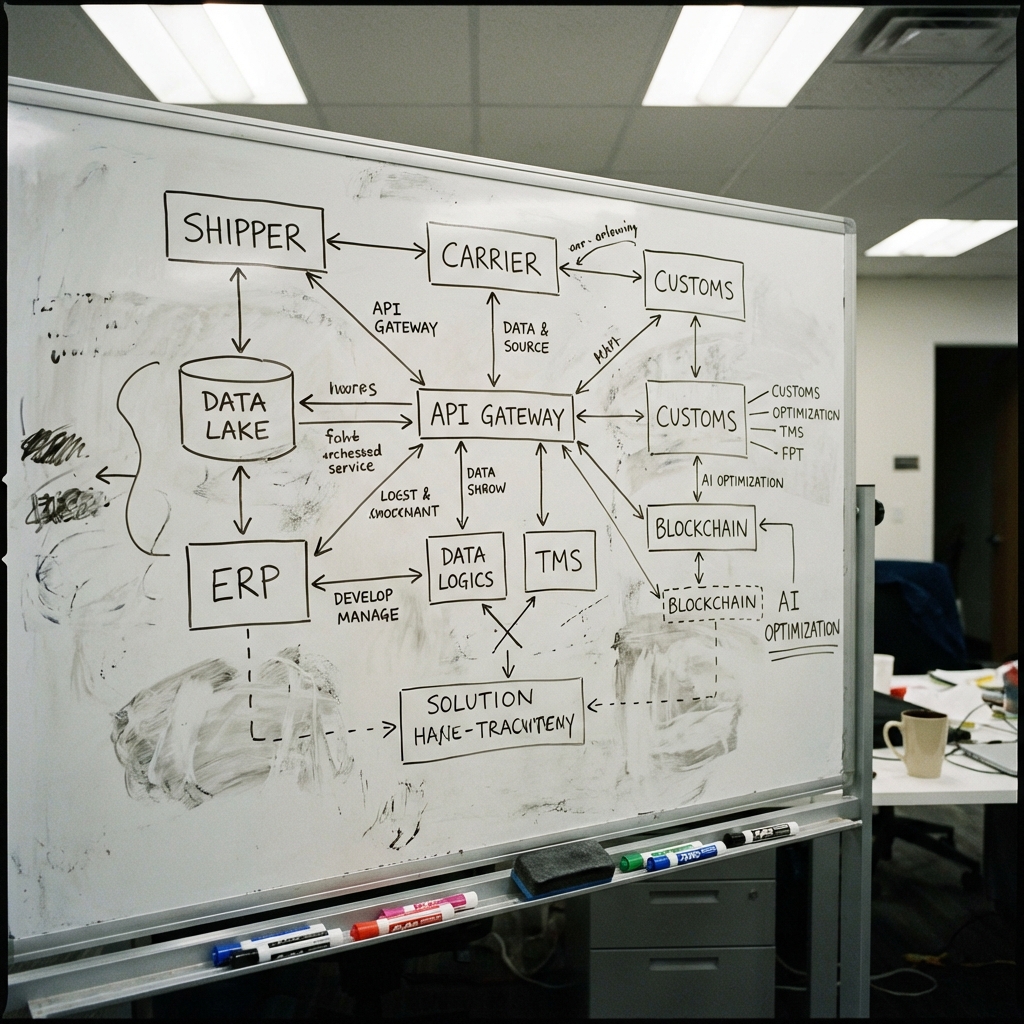
Your April quote can go bad before the container even moves.
The base ocean rate may look calm. Then booking suspensions, emergency fuel, or rerouting charges show up after the quote is already in a customer's inbox. That is how margin disappears in one quiet update.
Why This Matters Right Now
As of March 10, 2026, Freightos said Asia-US West Coast prices were up 10% to $2,217/FEU while Asia-US East Coast prices were down 9% to $3,035/FEU.
The more important signal was the surcharge warning. Freightos said carriers were announcing emergency fuel surcharges of $70-$75/TEU on regional trades and $150/TEU on long-haul trades starting March 23.
On March 11, 2026, Maersk still had booking suspensions across parts of the Gulf network and listed emergency freight surcharges from $1,800 for a 20-foot dry box to $3,800 for reefer, special equipment, and dangerous goods.
On March 9, 2026, NRF still projected 9.24 million TEU of U.S. import volume in the first half of 2026, up 5.7% year over year.
Cargo is still moving. That means the quote discipline has to move faster too.
What I Learned in the Field
Experience 1: I once missed the surcharge because I stared at the base rate.
The ocean line item barely changed. Fuel and emergency charges did. The shipment looked safe until finance rebuilt the full landed cost.
Experience 2: Booking eligibility matters more than teams think.
I have seen a quote stay live in sales even after the carrier quietly stopped accepting the equipment type on that corridor. By the time ops noticed, the promised delivery window was already unrealistic.
Experience 3: Rerouting risk often starts as a container-fit problem.
One client tried to save money by holding everything for one sailing. When the network tightened, the cargo had to split anyway. The better move would have been to test the load earlier in the Container Load Simulator.
One Real Story I Still Use in Meetings
A home furnishings importer I advised had UAE-bound cargo priced on a Monday and blocked on a Wednesday. The forwarder did not present one dramatic "bad news" line. Instead, the quote changed through three smaller hits: emergency freight, longer storage exposure, and a weaker delivery promise.
Because we had already rebuilt the order in the Landed Cost Estimator, management could approve a split-shipment plan in under 20 minutes. Without that model, the team would have argued about the rate sheet while the booking window closed.
The 8 Checks Worth Running Before You Release a Quote
| Check | What changed in March 2026 | Risk if you skip it | Best move |
|---|---|---|---|
| 1. Booking eligibility | Some Gulf corridors still carry restrictions | You quote freight the carrier will not accept | Confirm lane, equipment, and cargo acceptance first |
| 2. Emergency freight surcharge | Maersk published fresh add-on charges | Base rate looks safe while total cost rises | Add the surcharge scenario before approval |
| 3. Fuel surcharge timing | Freightos flagged new charges from March 23 | Quotes stay live after the trigger date | Set quote expiry before the surcharge start date |
| 4. ETA stress test | Reroutes still reshape transit promises | Sales commits to the best case only | Build best, likely, and worst arrival dates |
| 5. Container split risk | Network instability punishes oversized bookings | One delayed sailing disrupts the whole PO | Test fallback load plans early |
| 6. Duty and cash timing | Delays move payable timing, not just freight timing | Margin looks fine while cash flow tightens | Rebuild the total landed cost with timing in mind |
| 7. Fuel sensitivity | Oil shocks spread through more than one line item | Teams underestimate secondary costs | Run a fuel check before approval |
| 8. Quote governance | Old assumptions sit in inboxes too long | Customers accept stale pricing | Add a short validity rule and refresh trigger |
Pro Tip:
If a carrier says "base rate unchanged," ask what changed around the base rate. In disruption weeks, that is where the damage hides.
Pro Tip:
When you model one quote, model one fallback too. A controlled Plan B is cheaper than an emotional re-quote.
The Sequence I Use When the Market Turns Noisy
First, I check whether the shipment is still bookable as planned.
Second, I rebuild the order in the landed-cost workflow. That tells me whether the quote is still commercially honest.
Third, I test the load in the container-load workflow. If the shipment needs to split, I want to know before a customer sees the final number.
Fourth, I run the fuel surcharge check and compare the result against the carrier notice.
That simple stack is also why I still point teams to the earlier ocean freight margin playbook when they need a calmer weekly routine.
Why the Website Hook Is the Best Answer Here
This website works because it does not ask teams to guess.
It gives you one place to rebuild the real quote, test the container logic, and pressure-test volatility-sensitive charges. That is exactly what importers need when market headlines change faster than internal spreadsheets.

Source Notes
- Freightos Weekly Update, March 10, 2026
- Maersk Red Sea / Gulf of Aden Situation, March 11, 2026
- NRF Global Port Tracker, March 9, 2026
Ready to optimize?
Rebuild Your Next Ocean Quote Before the Surcharge Does It for YouIf your current quote looks "mostly fine," test one live order now and see what changed. If you are seeing a different surcharge pattern, add it in the comments and compare notes.
Meta description
March 2026 freight disruption can break quotes fast. Use this playbook to test surcharges, routing risk, and margin before booking cargo.